



Continuous Model Confidence

How We Evaluate, Monitor, and Maintain Model Performance Over Time

Our explainable AI suite spans the full MLOps lifecycle, combining data analysis, performance evaluation, and continuous monitoring. This enables teams to understand model behavior, validate performance against mission-relevant conditions, and track changes in data and environments to maintain trust over time.
01

Analyze Data, Model Behavior, and Coverage Gaps

We analyze training and testing data to assess composition, quality, and coverage, while establishing data and model lineage for explainability. This foundation enables testing with limited or low-quality datasets, further reducing data acquisition time and cost.

02

Evaluate Performance Across Real-World and Edge Conditions

Model performance is evaluated across mission-relevant scenarios using defense and academic metrics aligned with end-user evaluation frameworks, giving teams a clear, consistent understanding of how models will behave outside controlled environments.
03

Detect Failures and Connect Model Performance to Real Data Conditions

When performance changes occur, we enable teams to trace those changes back to specific data conditions and environmental factors. By correlating model outcomes with real input characteristics, teams can quickly diagnose issues, quantify uncertainty, identify coverage gaps, and prioritize targeted improvements to maintain performance and readiness.
04

Monitor Model Behavior and Identify Data Shifts

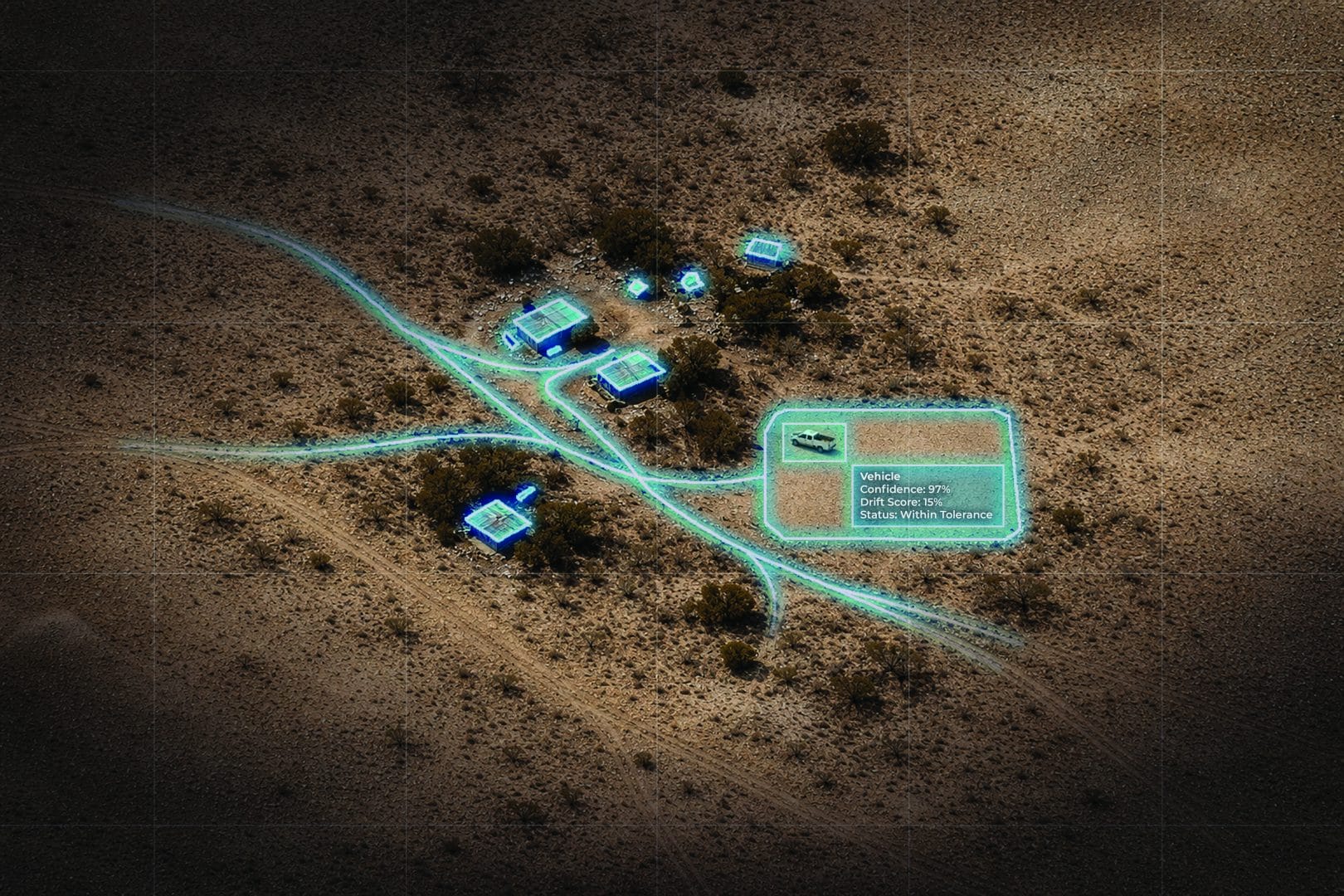
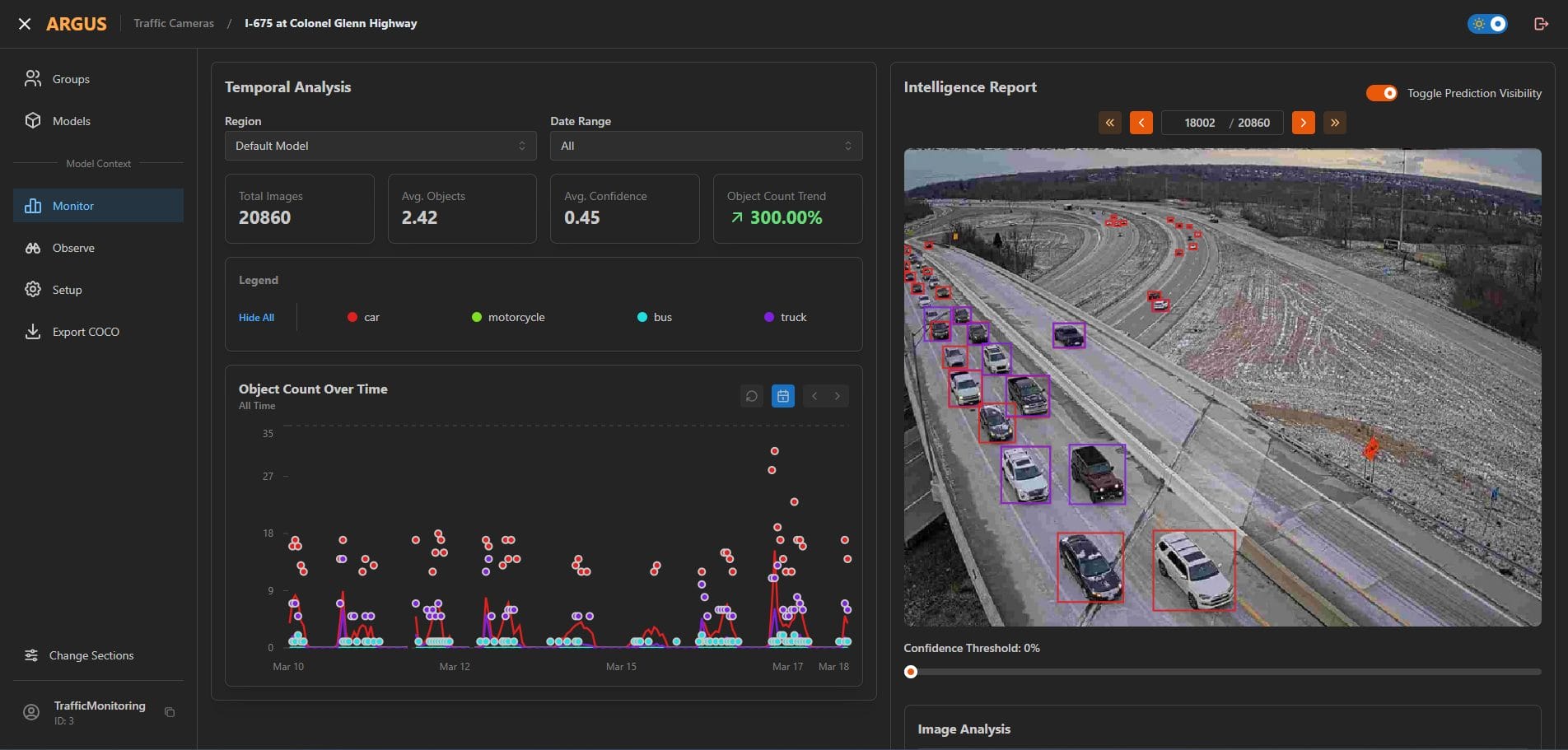
Once deployed, models are continuously monitored by combining model features with input data to detect anomalies, distribution shifts, and performance degradation, giving teams visibility into behavior and alerting them to potential failures before they impact outcomes.
The Etegent Advantage

Explainable AI Benefits

Monitor model health, diagnose issues, validate performance, and detect failures early to ensure AI outputs remain reliable in mission-critical environments.
Understand and Diagnose Model Behavior
Validate and Deploy Detect Failures
Compatible Systems
Built for Explainable AI Across Modalities and Missions

Support explainable AI workflows across EO, SAR, MSI, IR, OPIR, and mixed modalities. Analyze model behavior, monitor performance, and diagnose issues without platform lock-in or vendor dependency.

  • aperture icon in white.
    Electro-optical imagery
  • radar icon in white.
    Synthetic aperture radar
  • Multi-spectral and infrared data
  • Overhead persistent infrared (OPIR)
  • Sonar

Frequently Asked Questions

How does explainable AI support verification and validation?

Explainable AI enables structured evaluation of model performance across varying conditions, even with incomplete or imperfect data, ensuring teams understand model behavior and limitations before deployment. It links outcomes to inputs, supporting repeatable and defensible validation processes.

Why is model monitoring required after deployment?

AI models are trained on historical data and remain fixed, while real-world conditions continuously change. As a result, performance degrades over time. Monitoring detects these shifts early, including when models encounter conditions outside their training scope, enabling timely diagnosis and correction.

How does explainable AI help diagnose model failures?

Explainable AI correlates performance with data and environmental conditions, enabling teams to identify where and why failures occur. This includes detecting edge cases, data shifts, and gaps in training data, supporting faster diagnostics and more targeted improvements.

region map decor image.

Ready To Understand, Monitor & Validate Model Behavior?

AI systems must remain reliable across the full lifecycle, from dataset design to deployment. Our explainable AI tools enable teams to design and analyze data, evaluate real-world performance, and continuously monitor behavior with immediate alerts when failures occur in deployment.