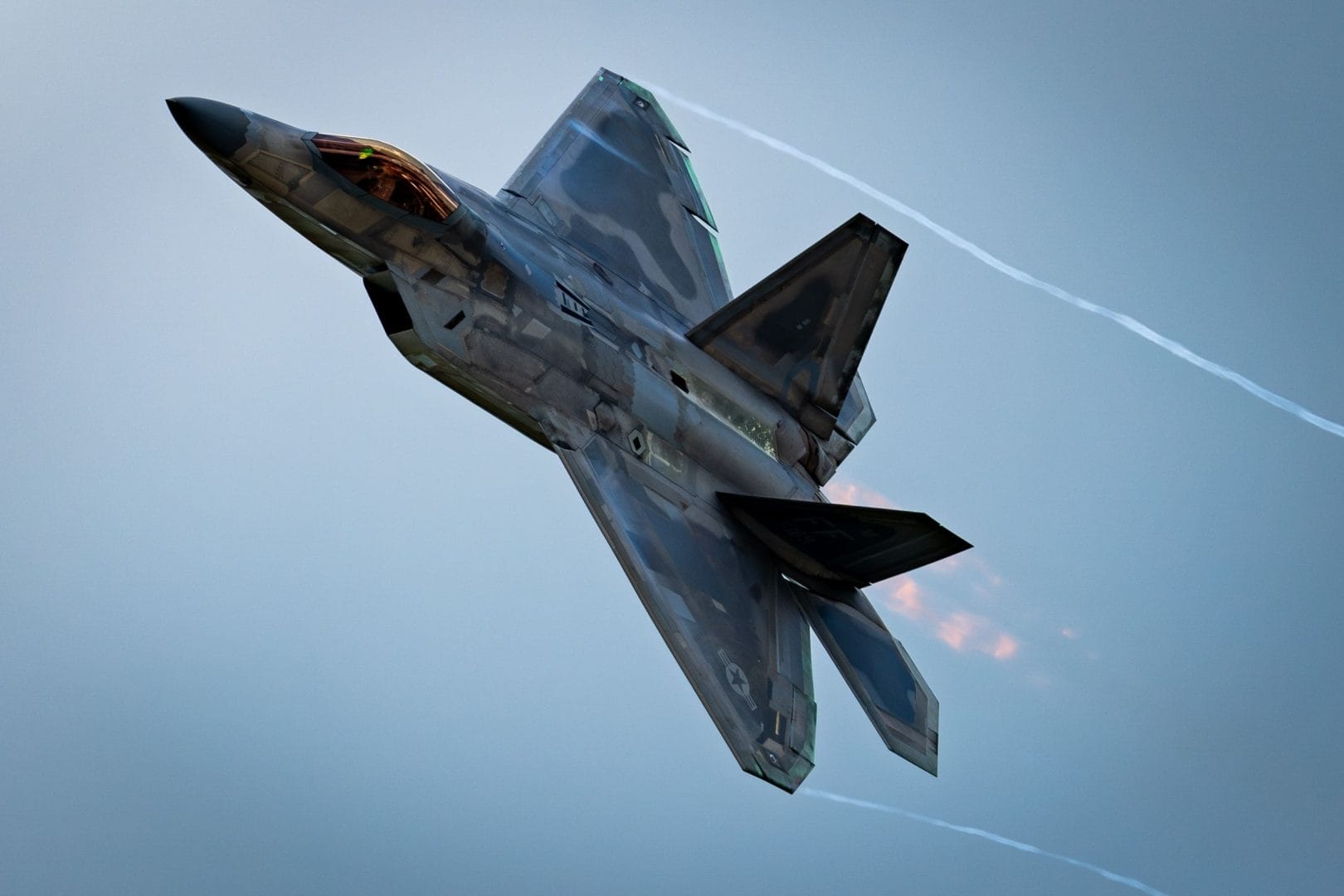



From Sensor Data to High-Confidence Identification

Our Combat Identification AI Pipeline

Our core capabilities drive every mission we support, including Combat ID. Region monitoring, optimized software development, and explainable AI enable real-time model adaptation through synthetic data.
01

Adapt Models With Region Monitoring and Synthetic Data

We apply our region monitoring solution to develop reliable combat ID models, leveraging real-time synthetic data generation to adapt to new targets, environments, and limited training data while reducing reliance on large datasets.
02

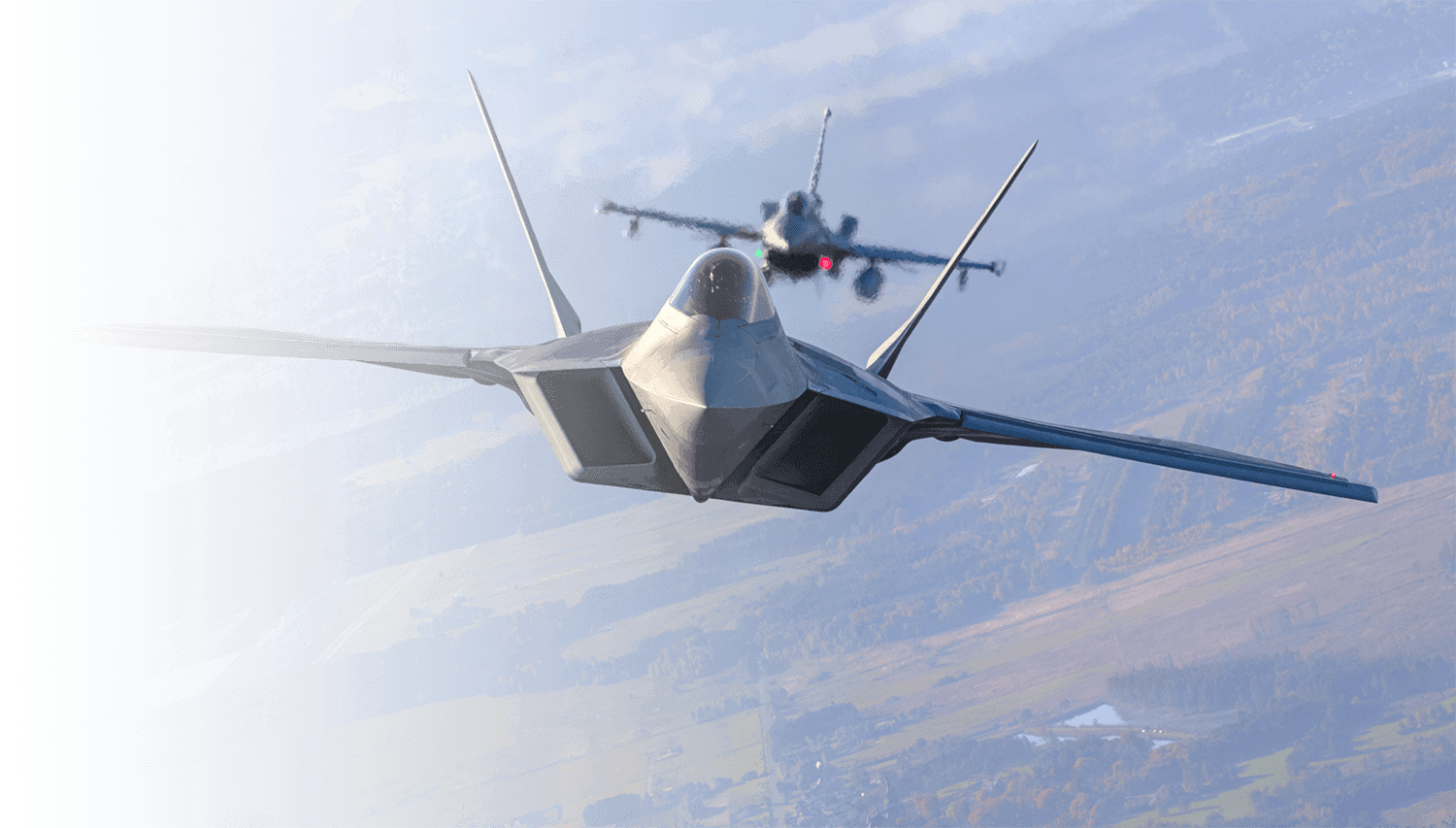
Enable Real-Time Identification in Operational Environments

Our optimized software development capability accelerates models for time-sensitive execution, supporting fast, reliable target identification in dynamic and resource-constrained and edge or air-gapped environments.
03

Validate and Monitor Model Performance

We apply our explainable AI solution to provide visibility into model behavior, support validation, and continuously monitor performance. This enables human-in-the-loop oversight and confidence in identification decisions.
The Etegent Advantage

Combat Identification Benefits

We apply region monitoring, explainable AI, and synthetic data generation to deliver reliable target identification that supports combat decision-making.
Reliable Target Identification in Limited Data
Trusted AI Rapid Model Adaptation with Synthetic Data
Compatible Systems
Built for Combat Identification Data

We work across SAR, EO, MSI, IR, and fused sensor data to support target identification in classified or air-gapped environments, without constraining deployment to a single platform.

  • aperture icon in white.
    SAR for long-range target identification in the most challenging conditions
  • radar icon in white.
    Feature-driven target identification that’s robust to missing features
  • Multi-modal fusion for cross-sensor validation and classification

Frequently Asked Questions

What is combat identification AI?

Combat identification AI refers to machine learning systems designed to support target identification at long range, helping operators distinguish objects in complex environments. These systems use SAR and multi-modal data to reduce uncertainty, improve decision speed, and minimize risk to pilots.

How does combat identification AI improve target identification?

Combat identification AI enhances target identification by analyzing SAR and multi-modal sensor data in time-sensitive scenarios. By supporting cross-sensor validation, these combat identification systems enable more consistent identification and reduce time-to-decision in operational environments.

Why is combat identification difficult in operational conditions?

Combat identification becomes significantly more difficult at long range, where data is limited, noisy, or incomplete. Many combat identification systems degrade under these conditions, requiring approaches that maintain performance and support reliable target identification outside controlled environments.

Can combat identification AI operate in classified or edge environments?

Yes. Combat identification systems are designed for deployment in classified, air-gapped, and on-wing environments. These systems integrate into existing workflows and support target identification in time-sensitive scenarios without requiring cloud connectivity.

How does Etegent handle limited or missing data for combat identification?

Etegent uses low-shot learning and synthetic data generation to support combat identification when real-world data is limited. Our tools generate high-quality synthetic datasets across a range of operating conditions, improving model readiness and performance in mission-relevant scenarios.

region map decor image.

Ready To Improve Target Identification at Range?

Let’s work through your combat identification challenges and how we deliver validated target identification in mission-relevant and data-constrained environments.